table of contents
About the Author: Procurement Freelancers Team

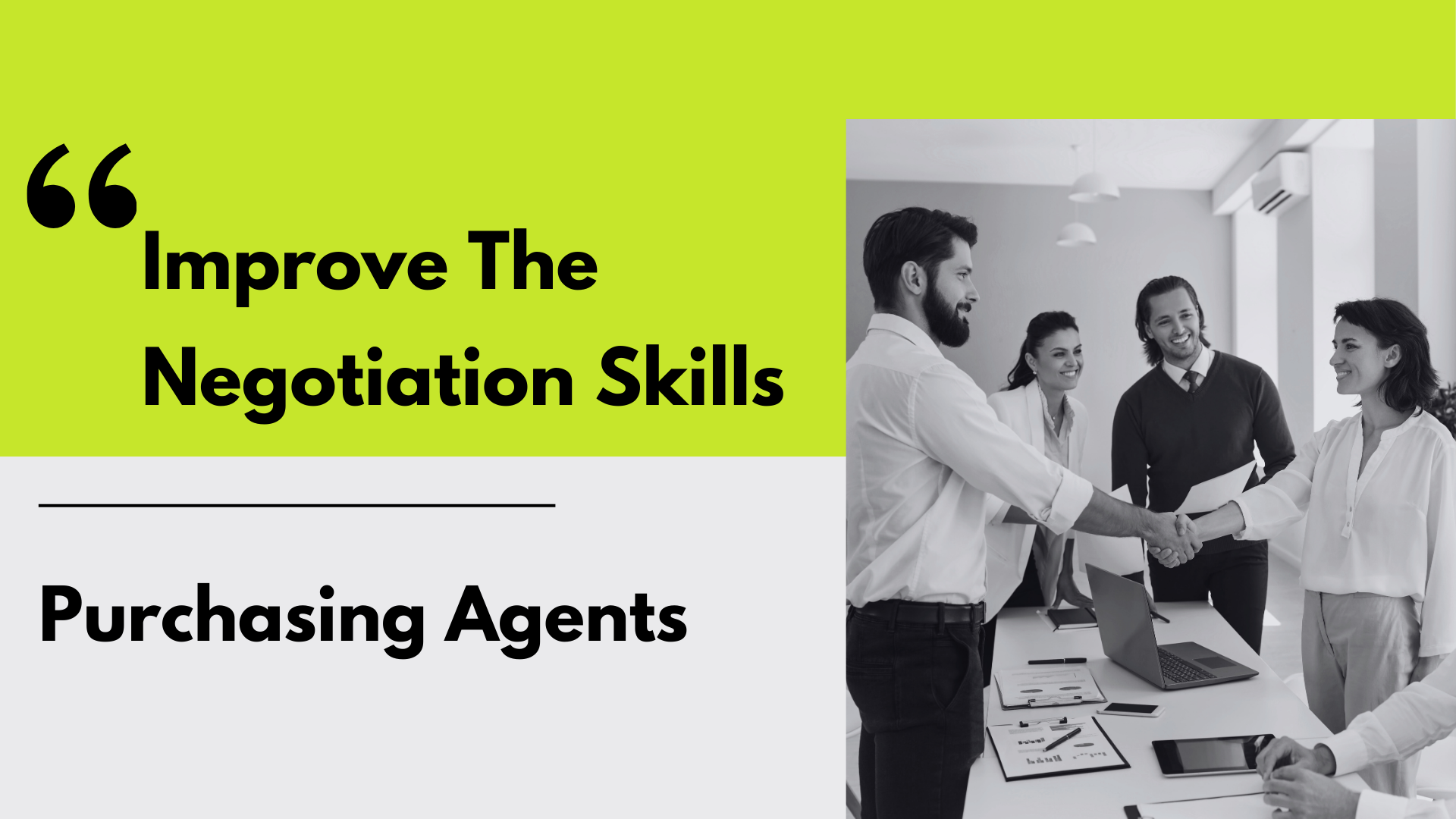
Anyone who works as a purchasing expert has to be rather skilled in negotiations. A buying agent is a person who purchases business products and services. They must ensure the business spends its money sensibly and gets the best offers. Let’s explore several tips and strategies that can help a purchasing agent effectively navigate the negotiation process.
Understanding the Basics of Negotiation
Let us understand some of the important requirements of a competent negotiator.
What is Negotiation?
In negotiations, both parties attempt to reach a mutually beneficial agreement. It entails negotiating with suppliers to obtain the best terms, pricing, and quality for the buying agency. The key is finding a win-win scenario where all parties are pleased with the resolution.
Key Principles of Negotiation
Before we jump into the tips, let’s talk about some basic principles of negotiation:
- Preparation: Always be ready with facts and figures.
- Communication: Be clear and listen carefully.
- Compromise: Find a middle ground that works for both sides.
Preparation for Negotiation
Here are some important tips to follow when preparing for negotiations:
Researching the Supplier
Imagine swapping Pokemon cards with a buddy. You must be aware of the value of their cards. A buying agent should also be familiar with the source. This implies looking into their past, behavior, and reputation, as well as those of other businesses.
Analyzing Market Conditions
Understanding how market conditions affect your negotiation strategy is like predicting the weather. Just as a sudden storm can disrupt your plans, a shift in market conditions can significantly alter your negotiation outcomes. A vigilant purchasing agent keeps a close eye on market developments to identify the most opportune times to negotiate.
Clearly Defining Goals
You must be aware of your top desires. A buying agent needs to know precisely what they want to negotiate. This helps them maintain concentration and produce the best outcomes.
Developing Effective Communication Skills
Follow these steps to develop excellent communication skills.
Active Listening
Listening goes beyond just picking up words. It is about realizing the demands and worries of the other individual. Buying agents may learn what they truly want from suppliers and apply that knowledge to negotiate a better price.
Communication is Clear and Concise
When you ensure that your counterpart understands your message, you are fostering a sense of security and reassurance. In discussions, being direct and unambiguous is critical to preventing misinterpretation and maintaining a clear line of communication.
Building Rapport
Establishing a cordial relationship is known as rapport-building. Consider your feelings when conversing with a reliable friend instead of an unknown one. Building a connection with suppliers can make discussions more accessible and fruitful for a purchase agent.
Utilizing Negotiation Tactics and Strategies
Examine these tactics and strategies for effective negotiation.
BATNA (Best Alternative to a Negotiated Agreement)
BATNA is a fancy name for a backup strategy. It’s like knowing you can always trade your Pokemon card with someone else if this trade doesn’t work out. Should the negotiations fail, a purchasing agent should always know their best choice. This helps them be more confident and forceful during presentations.
The Art of Creating Offers
Offering is like making a game’s opening move. Though you want to start strong, provide an opportunity for conversation. A buying agent should also be open to changes, starting with a realistic offer that will benefit their business.
Managing Resolutions and Counteroffers
When a supplier says, ‘I can’t do that,’ it’s an objection. Dealing with objections is about staying calm and finding solutions. If they counteroffer, it’s an opportunity for creativity and compromise. A skilled purchasing agent views challenges and counteroffers as opportunities to find a middle ground rather than obstacles.
Leveraging Technology in Negotiations
Learn how to use technology to enhance your negotiation skills.
E-Procurement Platforms
Technology can change the game. E-procurement platforms are comparable to those offered by corporate internet retailers. They assist purchasing agents in communicating with suppliers, tracking orders, and comparing costs all in one location.
Data Analytics
Data analytics is the use of data to make informed decisions. A buying agent examines data to identify trends and patterns, just as you could review your grades to see areas needing work. This helps them bargain smarter and create better proposals.
Post-Negotiation Best Practices
Discover the post-negotiation practices that will help close the deal faster.
Documenting Agreements
Imagine forgetting the specifics of an agreement you struck with a buddy. What a disaster that would be! Documenting agreements requires writing down everything so that both parties have a record of their understanding. For a purchasing agent, this is essential to prevent any future misunderstandings.
Reviewing and Reflecting on Performance
You can evaluate your performance and identify areas for improvement after a game. Following every negotiation, a buying agent ought to take the same action. By reviewing and reflecting, they can grow their talents and learn from every encounter.
Conclusion
Negotiation is a key part of being a successful buying agent. Understanding the basics, preparing well, communicating effectively, using smart tactics, leveraging technology, and reflecting on their performance can help purchasing agents improve their negotiation skills and get the best deals for their companies. So, next time you’re about to make a deal, remember these tips, and you’ll be negotiating like a pro in no time!


I’m procurement professional from Tanzanian, how can benefit from you?